Postal Codes for E-commerce: How to Avoid Order Errors
2026-03-29
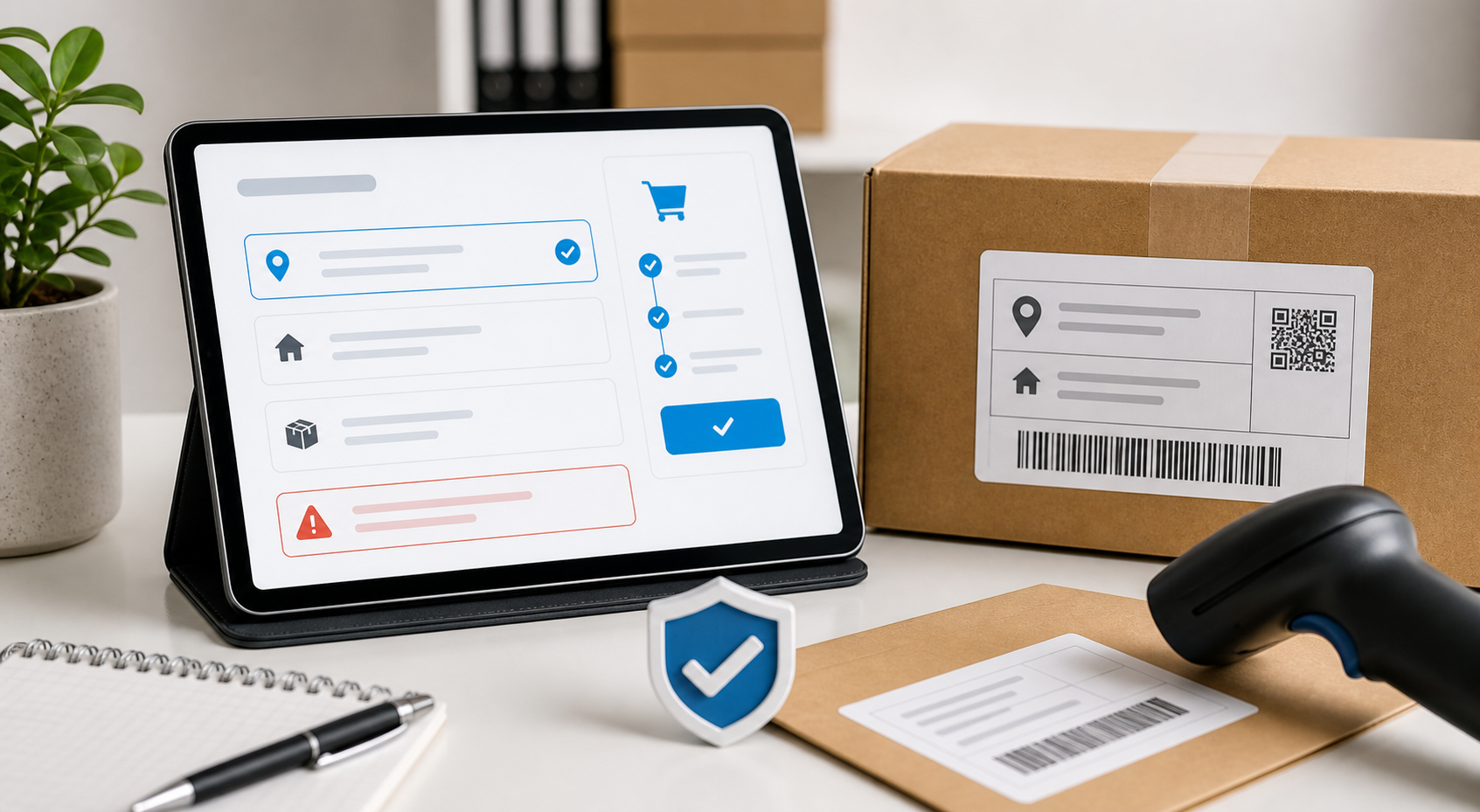
A postal code may look like a small address detail, but in practice it helps delivery systems, public services, and business processes work faster and more accurately. In Latvia, the code is usually used together with the settlement, street, and building number, so it should be treated as part of the complete address record.
Why It Matters
The topic “Postal Codes for E-commerce: How to Avoid Order Errors” matters to anyone working with addresses, from private mail to recurring orders and customer databases. The key elements are: checkout form, postal-code validation, API integration, returns, address quality. If even one of them is inaccurate, delivery can slow down and manual checking becomes more expensive.
What to Watch
The main rule is to keep addresses structured. Store the settlement, street, building number, and postal code as separate pieces of data. This makes records easier to validate, import into CRM or e-commerce systems, and use for analytics.
Practical Recommendations
For everyday workflows, it is useful to validate the postal code before a form is submitted or a parcel is sent. If customers enter the address themselves, add suggestions, autocomplete, and clear error messages.
How Pastaindekss.lv Helps
Pastaindekss.lv helps you quickly verify address data and find the right code by address or place. It is useful for a single shipment, a list of orders, or cleaning up an older address database.
Short Summary
The short lesson is simple: a postal code is a data-quality tool, not just a formality. The earlier it is checked, the fewer errors appear later in the process.